
2.1 INTRODUCTION
Chlorine is supplied in various sizes of portable containers, namely:
- 70kg Chlorine Cylinders
- Portable Tanks with a 900kg, 915kg, 925kg, or 940kg capacity
2.2 VARIOUS 70KG CHLORINE CYLINDERS
All chlorine cylinders are painted canary yellow and are made of carbon steel, have either a foot ring at their base or a solid base and their only opening is a valve connection at the top. All valves are protected by a valve protection cap (dome cap), which is screwed onto the neck on the top of the cylinder.
The serial number of the cylinder will always be found on the domed shoulder of the cylinder, close to the neck. When filled with 70kg of chlorine, the total mass or weight of the cylinder will be between 100 to 130kg. In addition it must never be filled above 85% of the total volume. The remaining 15% is space for chlorine gas evaporation and the chlorine liquid to expand in the event of abnormal high temperature, to prevent the Cylinder from rupturing.
EXAMPLE OF DIFFERENT 70KG CHLORINE CYLINDERS
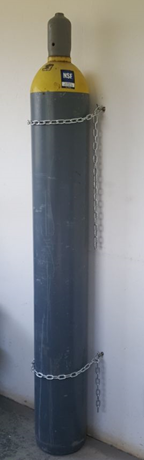
Imported Tenaris Chlorine Cylinder
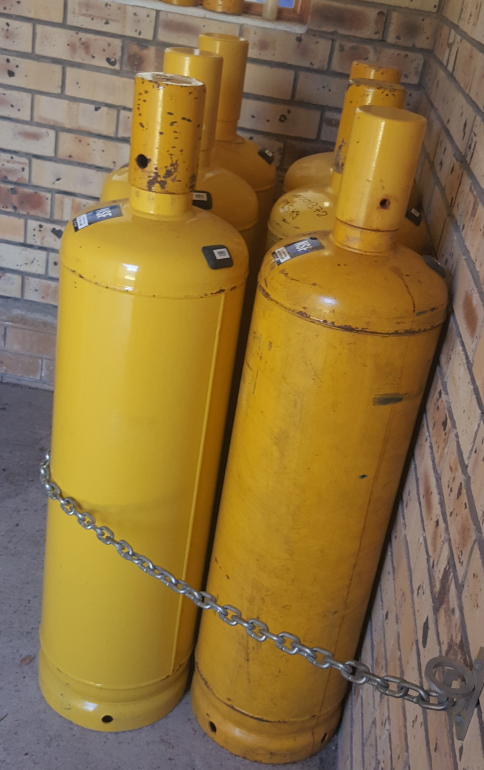
SA local manufactured Chlorine Cylinders
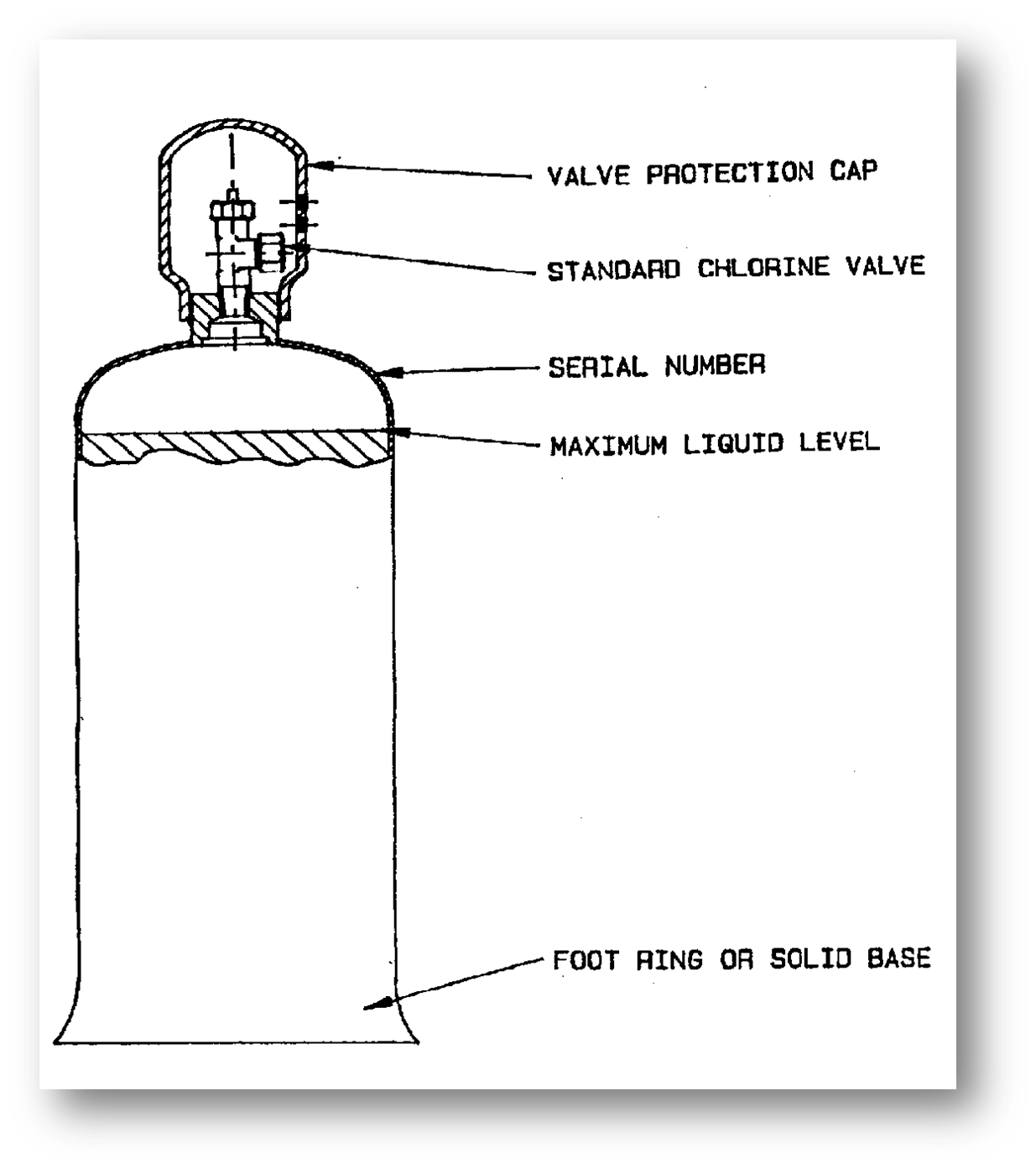
DIAGRAM 1: CROSS MODULE OF A 70KG CHLORINE CYLINDER
The diagram provided of the 70kg chlorine cylinder, which is always painted canary yellow, identifies its various components or parts. Chlorine cylinders must always be transported and stored in a vertical position (upright).
2.3 PORTABLE TANK – 900, 915, 925 OR 940KG CAPACITY
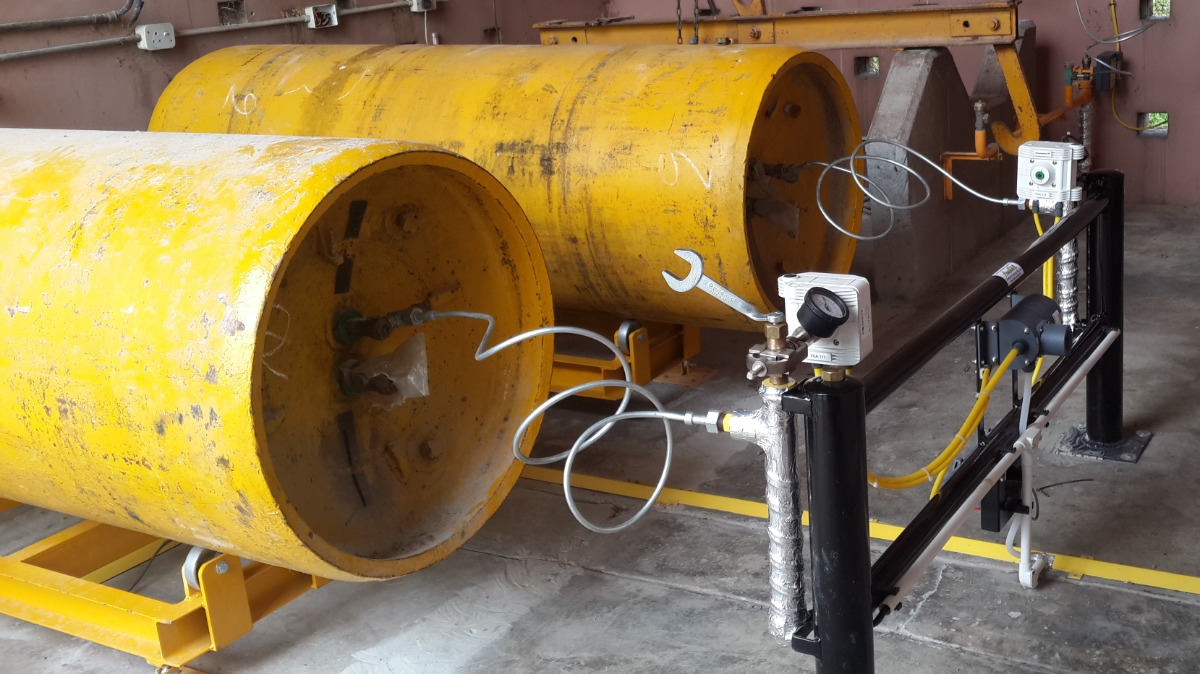
All 900/940kg Portable Tanks have welded seams and concave ends. Portable tanks are painted canary yellow. They have two identical valves near the centre on one end and each valve connects with an internal reduction pipe. The bottom valve is used to draw off chlorine in the liquid phase, and the top valve is used to draw off chlorine in the gas phase. It is very important that these two valves are always in the vertical position. A removable steel valve protection dome, secured to the drum by lugs protects these valves. The serial number of the portable chlorine tank will always be found on the domed Module opposite the valves. The Portable Tank must always be transported and stored in the horizontal position. In addition it must never be filled above 85% of the total drum volume. The remaining 15% are occupied by chlorine gas. The reason for this is to prevent the Portable Tank from rupturing, in the event of abnormal high temperature and the chlorine expands.
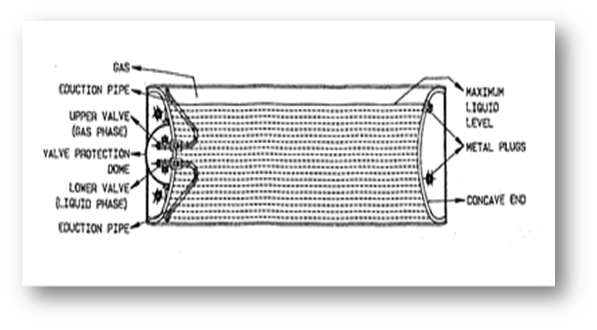
DIAGRAM 2: CROSS MODULE OF A 900/940KG PORTABLE TANK
2.4 THE STANDARD CHLORINE VALVE (Used on chlorine Cylinders, Portable Tanks and Manifolds)
The functions of the various components (or parts) are as follows:
- The packing nut (1) is used to increase or decrease the pressure of the packing against the valve stem (5) and the valve body (6) to ensure a tight seal.
- The packing gland (2) is used to press down on the packing (3) and hold it in place.
- The packing (3) ensures a tight seal. There are 3 rings of packing in each valve.
- The packing washer (4) secured the packing (3) and still allows the spindle to move up and down within the valve, to open and close the valve.
- The valve stem or spindle (5) is made of Monel and has a 10mm square top.
- The valve body (6) is made of Naval Brass.
- The lead washer (7) is used to give an adequate seal.
- The outlet cap or nut (8) is made of brass and has a three-fold purpose. It keeps moisture out of the valve, safeguards the outlet threads (9) and can be used as a sealing mechanism if the valve stem seat (10) does not seal properly.
- The outlet threads (9), to which close coupled chlorinators or flexible connectors are attached.
- The inlet threads (11) are used to screw the valve into the cylinder itself.
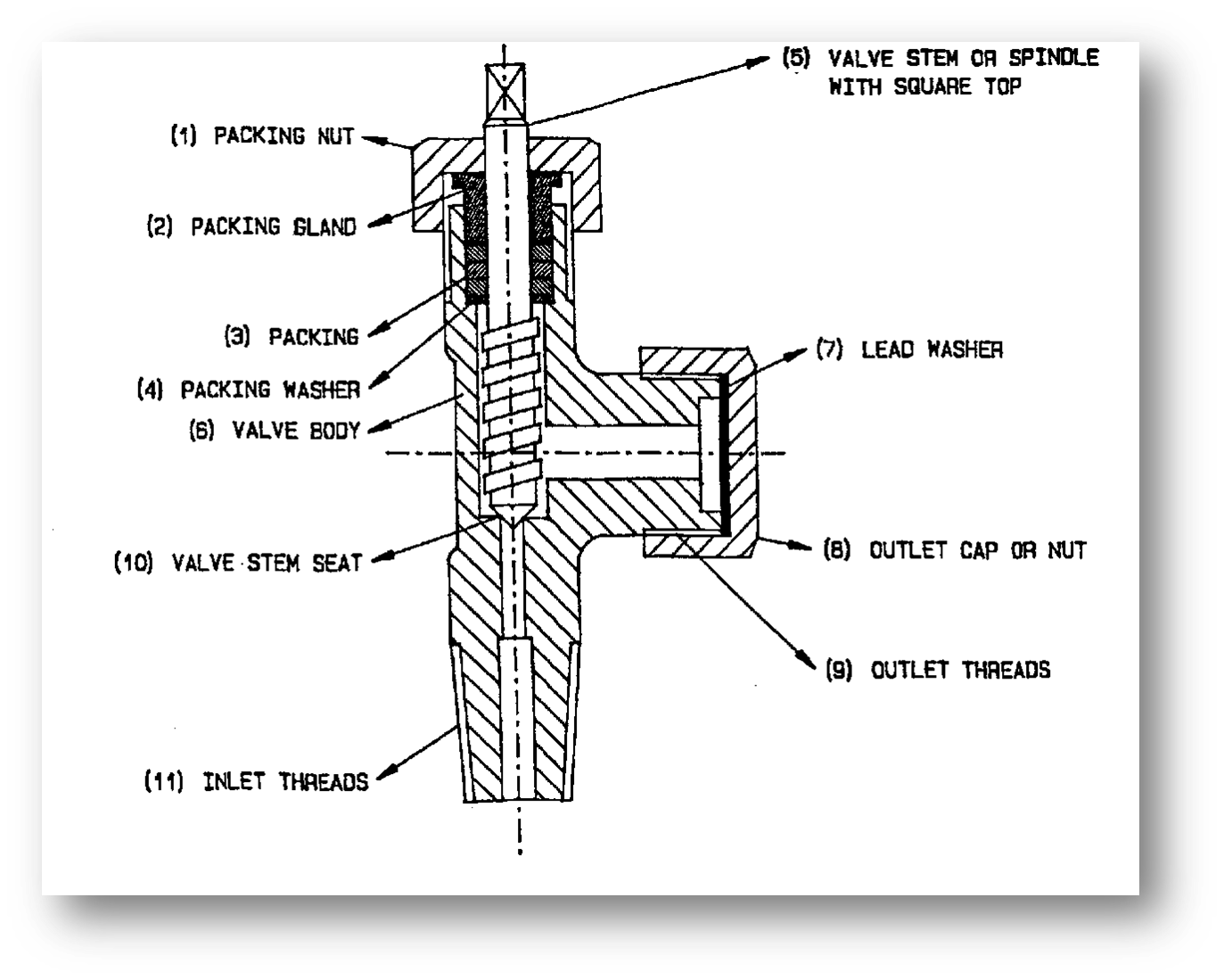
DIAGRAM 3: CROSS MODULE OF A STANDARD CHLORINE VALVE
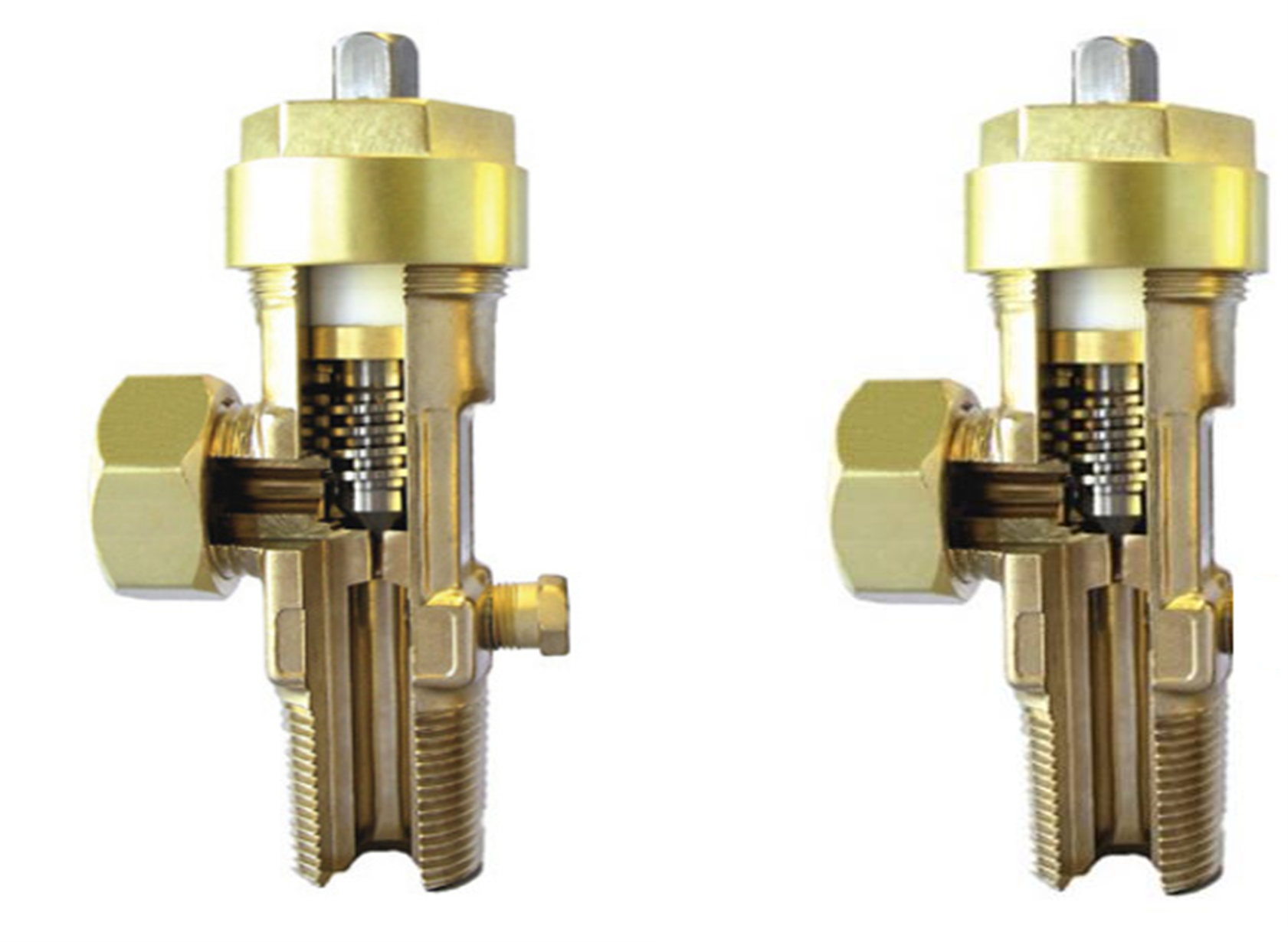
A CUT THROUGH SECTION OF A STANDARD CHLORINE VALVE
